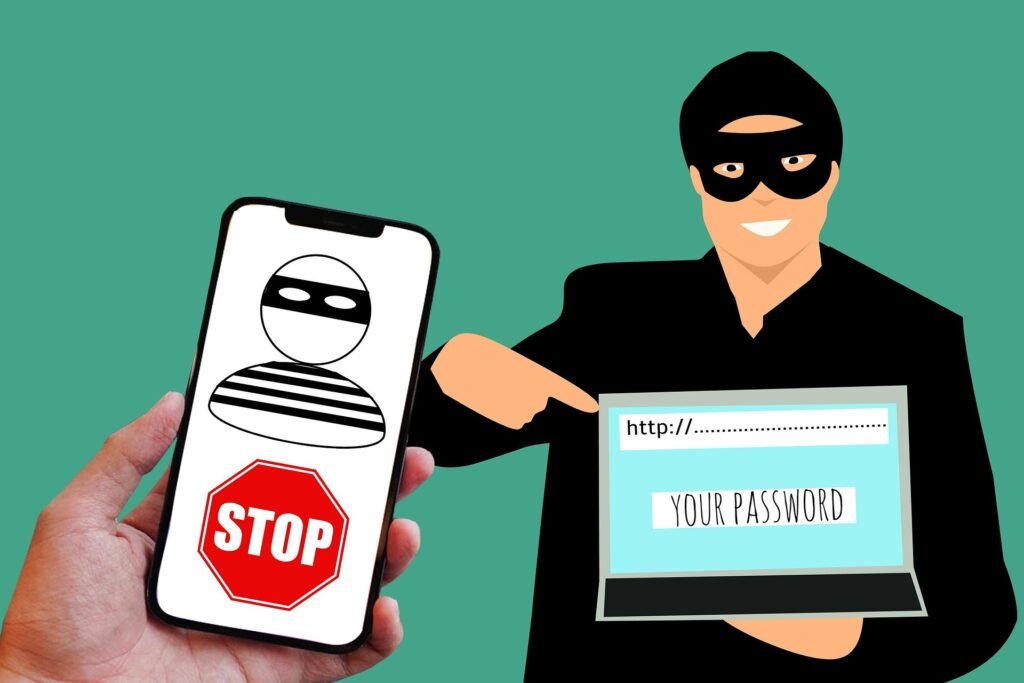
Today’s update focuses on the most relevant and emerging cyber security developments, starting with England, followed by the wider United Kingdom, with clear real‑world context and practical implications.
England
NHS cyber resilience under scrutiny after rising attack attempts

Cyber security experts are raising concerns about increasing attack attempts targeting NHS systems in England, as healthcare continues to be one of the most attractive sectors for cyber criminals.
Recent security briefings highlight a steady rise in phishing and ransomware attempts aimed at NHS trusts, with attackers seeking to exploit the high pressure and operational urgency of healthcare environments.
Why healthcare is a prime target
Hospitals and healthcare providers present several vulnerabilities:
- large volumes of sensitive patient data
- critical services that cannot tolerate downtime
- complex IT systems, often including legacy infrastructure
Attackers are aware that disruption to healthcare services can have immediate consequences, increasing the likelihood of organisations responding quickly to incidents.
Real‑world impact
Even when attacks are prevented, the defensive response can still disrupt services:
- systems temporarily taken offline as a precaution
- delays in accessing patient records
- staff reverting to manual processes
Cyber security professionals warn that healthcare cyber resilience is now directly linked to patient safety and service continuity, not just data protection.
Police warning over surge in phishing scams targeting residents

Police forces across England are warning of a noticeable increase in phishing scams targeting individuals, particularly through text messages and email.
Common scam themes currently circulating include:
- fake parcel delivery notifications
- messages impersonating banks or HMRC
- energy bill refund scams
These messages are designed to create urgency, encouraging recipients to click malicious links or provide personal information.
Expert insight
Cyber crime specialists emphasise that phishing remains the most common entry point for cyber attacks, both for individuals and organisations.
A senior officer involved in cyber crime prevention noted that many scams rely on:
“creating a sense of urgency so people act before they think.”
Real‑world consequences
Successful phishing attacks can lead to:
- financial fraud
- identity theft
- compromised email or social media accounts
Authorities are urging people to remain cautious and verify messages before responding.
United Kingdom
UK organisations facing increased ransomware pressure

Ransomware continues to be one of the most significant cyber threats facing UK organisations, with experts warning of increasingly targeted attacks.
Recent industry analysis shows that attackers are focusing on:
- organisations with valuable data
- businesses with limited cyber defences
- sectors where downtime has immediate financial impact
How attacks are evolving
Modern ransomware campaigns are no longer just about encrypting data. Many now involve:
- stealing sensitive data before encryption
- threatening to publish stolen information
- targeting backups to prevent recovery
This “double extortion” approach increases pressure on victims to pay.
Expert perspective
Security analysts warn that ransomware attacks are becoming more professional and organised, with criminal groups operating like businesses.
They stress that prevention — particularly strong access controls and backups — is far more effective than responding after an attack.
National warning on cyber preparedness as threats continue to grow

The UK’s cyber defence agency, the National Cyber Security Centre, continues to urge organisations to strengthen their cyber resilience as threats evolve.
Officials emphasise that organisations should assume they will be targeted at some point and prepare accordingly.
Key recommendations from security authorities
- implement multi‑factor authentication across systems
- monitor networks for unusual activity
- ensure backups are secure and regularly tested
- develop incident response plans
Real‑world context
Cyber attacks are no longer rare events. For many organisations, they are a routine business risk, similar to financial or operational risks.
Preparation and resilience are now considered essential rather than optional.
Key Cyber Themes Today
- Healthcare systems in England remain a high‑priority cyber target.
- Phishing scams continue to rise, affecting individuals across the country.
- Ransomware remains one of the most serious threats to UK organisations.
- National guidance increasingly focuses on resilience and preparedness.
Reality check:
Most cyber attacks affecting the UK today do not rely on highly advanced techniques — they succeed because of simple human error, weak passwords, or unpatched systems. Strengthening these basics remains the most effective defence.
We have created Professional High Quality Downloadable PDF’s at great prices specifically for Small and Medium UK Businesses our main website. Which include various helpful Cyber related documents and real world scenarios your business might experience, showing what to do and how to protect your business. Find them here.