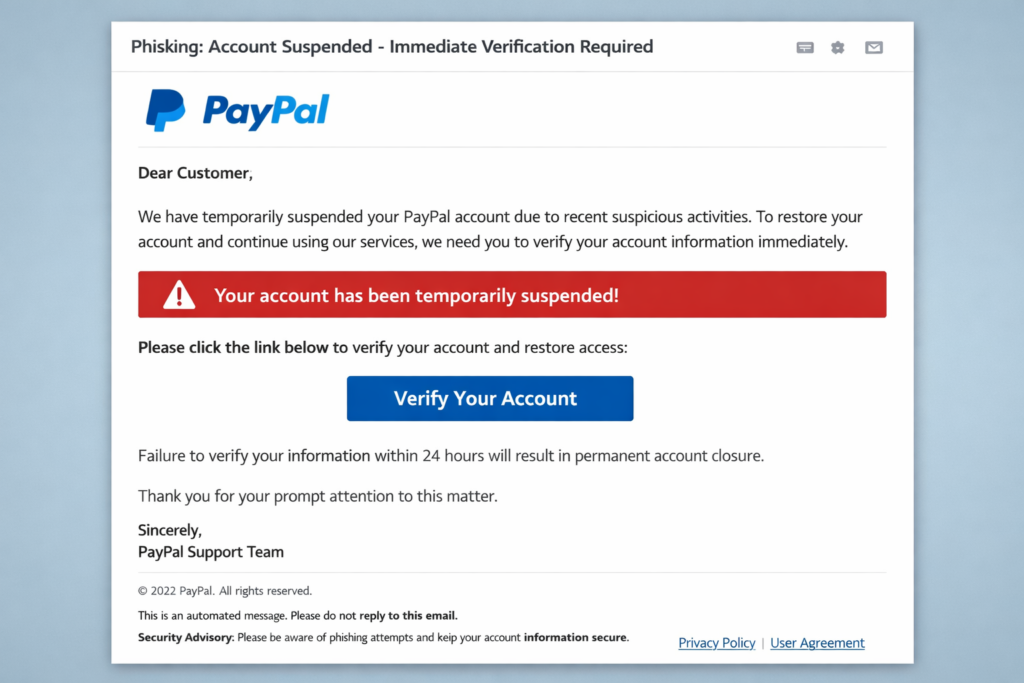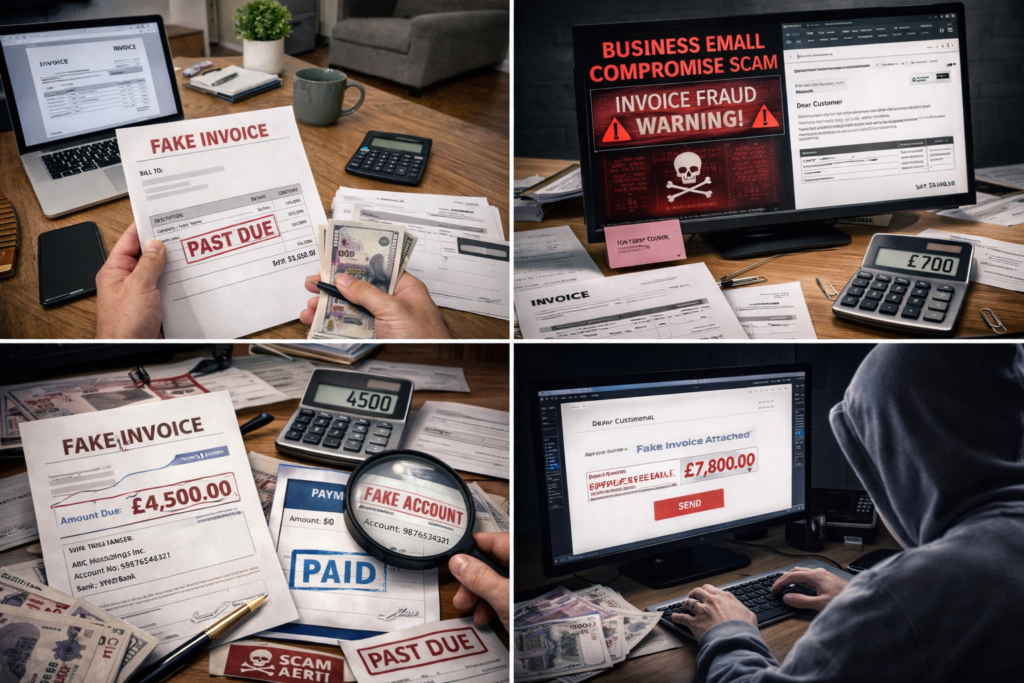
You asked whether the mindset “it’s just a job and victims can claim the money back on insurance” could justify scamming people in the UK. Short answer: no, it isn’t justifiable. Not legally, not ethically, and not in practical real-world consequences. That argument collapses pretty quickly once you look at what actually happens to victims and to the people committing the scams.
Let’s break it down properly.
The myth that scam victims “get their money back”

Many victims never recover the money
The idea that “insurance covers it anyway” is one of the most common justifications used by fraudsters. It is also often untrue.
According to UK fraud reporting centre Action Fraud, victims of fraud in England and Wales lose hundreds of millions of pounds each year, and many never recover their funds.
Banks may refund victims in some cases under reimbursement rules, but:
- not all scams qualify
- victims may have been manipulated into authorising payments themselves
- smaller businesses often lack protection
- insurance policies frequently exclude fraud or only cover limited amounts
Once money moves through crypto wallets, mule accounts, or international transfers, it is often impossible to recover.
Even when banks refund victims, someone still pays
Refunding fraud victims does not make the harm disappear.
The costs usually fall on:
- banks
- insurers
- businesses
- customers through higher fees and premiums
In other words, fraud redistributes money from ordinary customers and institutions to criminals.
Fraud causes serious harm beyond money

Emotional and psychological damage
Victims often experience:
- shame
- anxiety
- depression
- loss of confidence
Research cited by victim-support organisations shows fraud victims frequently feel embarrassed and reluctant to report the crime, which increases emotional harm.
The charity Victim Support says fraud can have “devastating emotional consequences” and may affect mental health long after the money is gone.
Small businesses can collapse
For individuals, fraud may mean lost savings.
For businesses, it can mean:
- unpaid wages
- bankruptcy
- job losses
The UK government’s Cyber Security Breaches Survey repeatedly finds that cybercrime and fraud can cause serious operational and financial disruption for organisations.
When scammers steal funds from businesses, the victims are often employees and customers, not insurance companies.

The legal consequences in the UK are severe
Fraud is a serious criminal offence
In England and Wales, fraud is prosecuted under the Fraud Act 2006.
Convictions can lead to:
- prison sentences of up to 10 years
- unlimited fines
- confiscation of assets under proceeds-of-crime laws
Even lower-level online fraud offences can lead to significant prison terms.
Digital crime leaves long-lasting evidence
Cybercrime investigations increasingly rely on:
- blockchain tracing
- financial intelligence
- international law-enforcement cooperation
- digital forensic analysis
Once investigators identify suspects, they often recover years of evidence from seized devices and accounts.
A “quick scam job” can therefore result in long-term criminal records and asset seizure.
The “everyone does it” rationalisation
Normalising harm does not make it acceptable
Criminal subcultures often minimise wrongdoing with arguments like:
- “It’s just business”
- “Everyone scams online”
- “Banks will cover it”
These are psychological rationalisations that help people ignore the harm they cause.
Ethics experts describe this as moral disengagement, where individuals distance themselves from victims to justify harmful behaviour.
Advertisement

- 【Super Signal Coverage】High Speed and High range coverage to boost the wireless coverage in all WLAN networks ,Extend Wi…
- 【Three-in-one access mode】Our WiFi Booster supports three access modes: repeater mode, routing mode, and AP mode. You ca…
- 【Wide Compatibility】Compatible with any wireless network devices that comply with the aggrement of 802.11N/B/G, Router, …
Real victims are rarely the rich corporations imagined
Many scams target:
- pensioners
- families
- small business owners
- people in financial distress
Fraud frequently exploits trust, fear, or loneliness. That is why law enforcement treats it as a serious social problem.
Fraud also damages society as a whole
Higher costs for everyone
Fraud increases:
- insurance premiums
- bank fees
- security costs for businesses
- prices for consumers
These costs are eventually passed to ordinary people.
Erosion of trust
Widespread scams reduce trust in:
- online services
- digital banking
- charities
- marketplaces
When trust declines, legitimate businesses and communities suffer.
Experts consistently reject the “no real victims” claim
Law enforcement, victim-support organisations, and cybersecurity professionals all emphasise the same point:
Fraud harms real people in measurable ways.
It causes:
- financial loss
- psychological damage
- disruption to businesses and families
- broader economic costs
The argument that victims are protected by insurance simply does not match the evidence.
Final Thoughts
The belief that scamming people is harmless because victims can reclaim the money is a false justification.
In reality:
- many victims never recover their losses
- emotional and financial damage can be severe
- businesses and communities suffer
- perpetrators face serious criminal penalties
Fraud is not a victimless activity. It is a crime that redistributes harm across individuals, organisations, and society.
The “it’s just a job” argument may make it easier for scammers to live with their actions, but it does not make those actions ethical, harmless, or justified.
Accelerate Your Learning
We have created Professional High Quality Downloadable PDF’s at great prices for UK Businesses provided to you from our main website. Which include various helpful Cyber related documents and real world scenarios your business might experience, showing what to do and how to protect your business. Find them here.