
A clear briefing on today’s most important cyber security developments, starting with England and then the wider United Kingdom. Includes expert context, real‑world implications and practical advice.
🇬🇧 ENGLAND
1) Universities and research institutions facing increasingly sophisticated cyber attacks
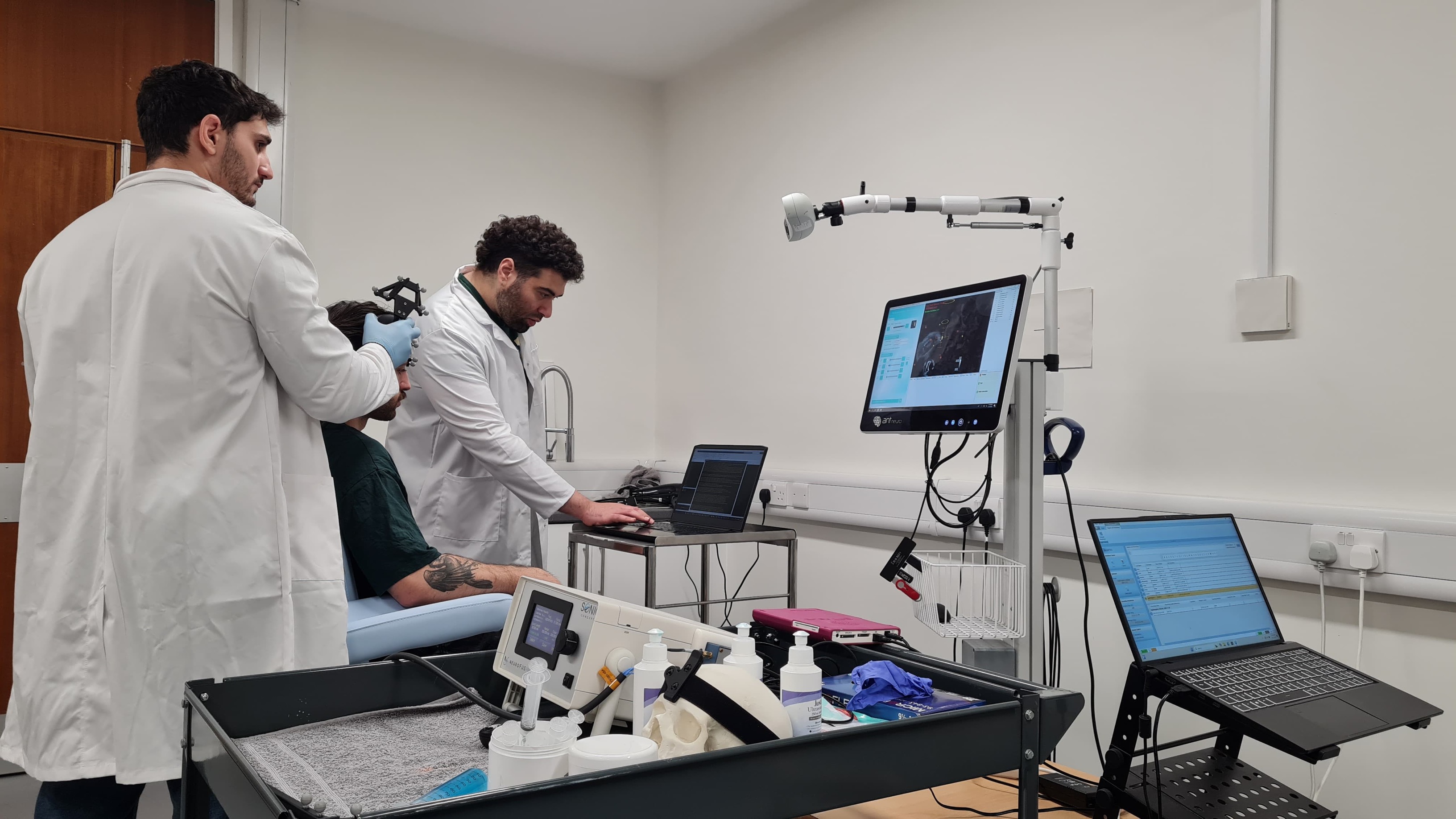
Cyber‑security analysts say attacks targeting universities and research organisations in England are becoming more complex and professional, with criminals and state‑linked groups increasingly adopting advanced tools and artificial intelligence.
According to a threat‑intelligence report from UK academic network specialists Jisc, the nature of attacks is evolving even if the number of large incidents fluctuates year‑to‑year.
Why universities are a prime target
Universities hold high‑value information that attracts cyber criminals and foreign intelligence services:
- Scientific and engineering research
- Medical and pharmaceutical data
- Intellectual property and patents
- Personal data on students and staff
Many academic networks are designed for openness and international collaboration, which can increase exposure.
“Cyber attacks against education and research organisations are growing more complex and sophisticated,” security analysts warned in the report.
Real‑world impact
A successful attack on a university can cause:
- Loss of research data or intellectual property
- Disruption to online learning platforms
- Stolen credentials used to attack partner institutions
Security teams across England are therefore increasing investment in phishing detection, identity security and network monitoring.
2) Government initiative dramatically speeds up cyber vulnerability fixes

A new government monitoring programme is significantly improving cyber resilience across public services in England.
A national Vulnerability Monitoring Service continuously scans internet‑facing systems used by government departments and public services.
The results are already showing dramatic improvements:
- Critical vulnerabilities now fixed six times faster than before
- Median fix time reduced from around 50 days to just 8 days
- Backlogs of high‑risk issues reduced by around three‑quarters
Why this matters
Government systems support critical services such as:
- healthcare systems
- taxation and benefits
- local government services
- transport infrastructure
Fixing weaknesses faster reduces the time attackers have to exploit them.
Real‑world context
Cyber security experts say patch delays are one of the most common causes of successful cyber attacks, making rapid vulnerability management one of the most effective defences.
🇬🇧 UNITED KINGDOM
1) UK organisations warned about potential Iranian cyber activity

The UK’s cyber security authority, the National Cyber Security Centre, has warned organisations to strengthen defences amid rising geopolitical tensions in the Middle East.
The agency says the direct cyber threat to the UK has not significantly changed, but there is a risk of indirect cyber activity linked to Iranian groups or hacktivists.
Possible cyber threats
Experts say organisations could see:
- Distributed denial‑of‑service (DDoS) attacks
- Phishing campaigns targeting employees
- Attempts to access sensitive networks
- Hacktivist attacks against politically symbolic targets
Some Iranian‑linked cyber groups have previously targeted Western infrastructure and organisations.
Real‑world implications
Businesses with connections to the Middle East, including energy, logistics and finance sectors, are particularly advised to increase monitoring.
However, security experts emphasise that opportunistic cyber criminals often exploit geopolitical crises, even when they are not directly involved.
2) AI is accelerating cyber attacks worldwide

Cyber‑security researchers warn that artificial intelligence is rapidly transforming how cyber criminals operate.
Recent threat analysis shows attackers are using AI tools to:
- Automatically generate convincing phishing emails
- Develop adaptive malware
- Analyse stolen data at scale
- Identify vulnerabilities faster than before
Experts describe this trend as the “industrialisation of cybercrime”, where attacks can now be launched faster and against more targets simultaneously.
Why this matters for the UK
The UK’s highly digital economy — including finance, healthcare and e‑commerce — makes it an attractive target for automated cyber campaigns.
Security specialists warn that organisations must move from simply preventing attacks to building cyber resilience, allowing them to detect and recover quickly.
🔎 Dominant Themes Today
- Universities and research institutions facing increasingly sophisticated cyber threats.
- Government improving resilience by fixing vulnerabilities far more quickly.
- Rising geopolitical tensions increasing cyber‑risk awareness across the UK.
- Artificial intelligence dramatically accelerating cybercrime capabilities.
Final Thoughts:
Cyber threats affecting England and the wider UK are increasingly driven by automation, geopolitics and stolen credentials. Organisations and individuals that prioritise identity security, rapid patching and monitoring are far better positioned to resist attacks.