Key developments affecting England first, then the United Kingdom more broadly. Written for a clear real‑world understanding with expert context and practical advice.
🇬🇧 ENGLAND
1) Police warn of surge in QR‑code parking scams in English cities
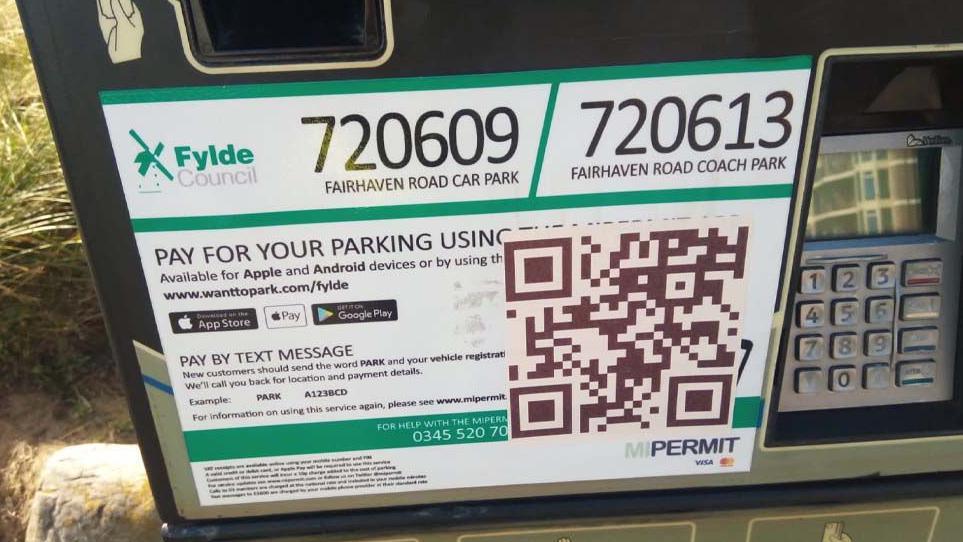
Police forces across England have issued warnings about “quishing” scams — phishing attacks delivered through malicious QR codes placed on parking meters and public payment machines.
Fraudsters attach fake QR stickers over legitimate codes. When motorists scan them, they are taken to convincing payment websites designed to harvest:
- Card details
- Personal information
- Mobile phone numbers
Cyber investigators say these scams have appeared in multiple English cities including London, Manchester and Birmingham.
Why this tactic is spreading
Criminals increasingly use QR codes because:
- Users often trust them without checking links
- Smartphones automatically open the malicious site
- Payment‑related scenarios create urgency
“People assume a QR code is safe, but it’s simply another link that can lead anywhere,” warned a UK cyber‑crime prevention officer.
Real‑world impact
Victims often only realise something is wrong when:
- Unauthorised card payments appear
- They receive follow‑up phishing messages
- Parking payments fail despite entering card details
Drivers are being advised to use official parking apps or machines directly rather than scanning stickers.
2) NHS supplier security reviews after attempted credential attacks

Several technology suppliers supporting the National Health Service in England have conducted precautionary security reviews after detecting suspicious login activity targeting remote‑support accounts.
The attempts appear consistent with credential‑stuffing attacks, where criminals try previously leaked passwords against enterprise systems.
Why healthcare systems are targeted
Healthcare infrastructure is attractive to cyber criminals because:
- Systems must remain operational
- Sensitive patient data has high value
- Third‑party suppliers often have privileged access
Security teams confirmed there is no evidence of disruption to clinical services, but monitoring has been increased.
Real‑world context
Recent ransomware incidents across Europe have demonstrated how cyber attacks on suppliers can affect multiple hospitals simultaneously.
As a result, healthcare organisations across England are tightening:
- Remote access controls
- Privileged account monitoring
- Supplier security requirements
🇬🇧 UNITED KINGDOM
1) NCSC highlights rise in “living‑off‑the‑land” cyber intrusions

The National Cyber Security Centre has warned that attackers are increasingly using “living‑off‑the‑land” techniquesto compromise systems while avoiding detection.
Instead of installing obvious malware, attackers abuse legitimate system tools already present in operating systems.
Typical techniques include
- Using administrative tools such as PowerShell
- Creating hidden administrator accounts
- Moving laterally across networks using legitimate protocols
Because these actions resemble normal system administration, traditional antivirus tools may not detect them.
“Attackers are blending into normal network activity to stay hidden for longer,” according to UK threat‑intelligence specialists familiar with recent intrusion investigations.
Real‑world implications
This tactic is increasingly seen in:
- Corporate espionage operations
- Long‑term network infiltration
- Pre‑ransomware attacks
Detection therefore relies heavily on behaviour monitoring rather than signature‑based security.
2) UK retailers facing rise in account‑takeover fraud

Retail security analysts report a rise in account takeover attacks affecting UK online shopping platforms.
Criminals use databases of leaked passwords to gain access to customer accounts, often targeting those with stored payment details or loyalty balances.
Common attacker goals
- Fraudulent purchases
- Gift‑card redemption
- Theft of loyalty points
- Reselling compromised accounts online
Retailers say the attacks typically rely on automated credential‑testing tools.
Real‑world impact
Customers may notice:
- Login alerts from unfamiliar locations
- Password reset emails they did not request
- Orders appearing in their account history
Retailers are increasingly encouraging shoppers to enable two‑factor authentication where available.
🔎 Dominant Themes Today
- QR‑code scams targeting motorists in English cities.
- Healthcare technology suppliers strengthening login security.
- Sophisticated stealth techniques allowing attackers to hide in networks.
- Rising credential‑based fraud targeting retail customer accounts.
Summary:
Many current cyber threats affecting England and the wider UK rely on stolen credentials and trusted technologies rather than obvious malware. Strong identity controls, staff awareness and monitoring of unusual activity remain the most effective defence