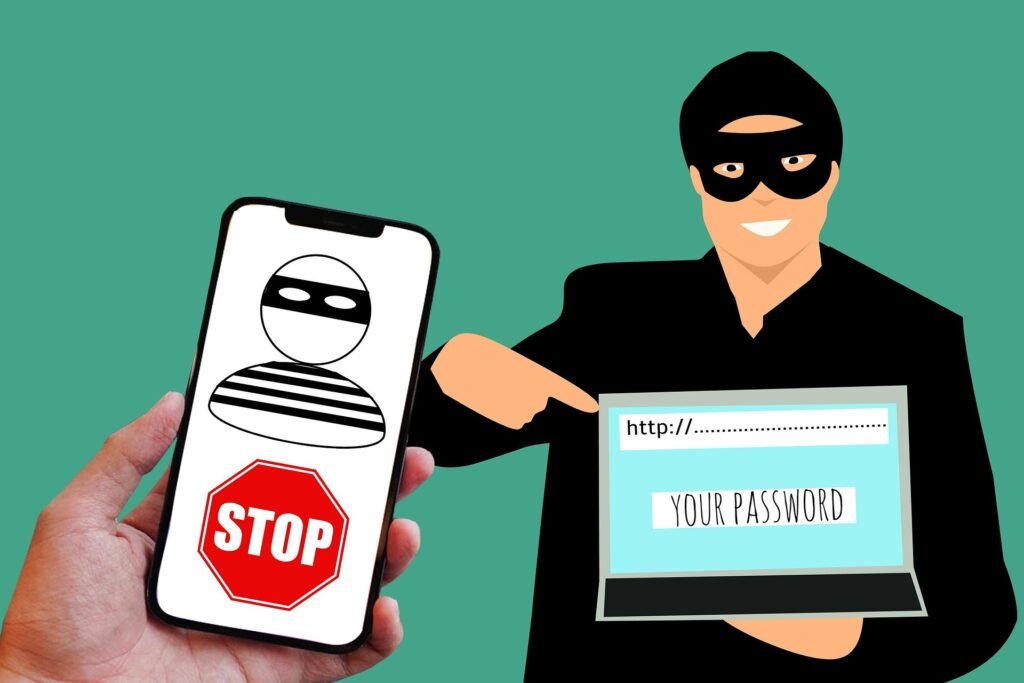
Clear, practical cyber developments affecting England first, followed by the wider United Kingdom, with real‑world context and actionable advice.
🇬🇧 ENGLAND
1) London councils strengthen cyber monitoring after attempted credential‑stuffing attacks

Several London borough councils have increased monitoring of online resident portals following a wave of automated login attempts targeting council tax and housing systems.
Security teams report that attackers used credential‑stuffing techniques — testing passwords from previous data breaches to try to access accounts.
The activity was detected through abnormal login spikes on resident portals used for:
- Council tax payments
- Housing services
- Parking permits
- Benefits applications
Authorities say safeguards prevented large‑scale account compromise, but password resets were triggered for precautionary reasons.
Why this matters
Local authorities manage vast quantities of personal information and payment data. Criminal groups often target these portals because:
- Citizens reuse passwords across services
- Council accounts sometimes contain billing or identity data
- Automated tools make large‑scale attacks cheap to run
“Credential reuse remains one of the easiest ways for attackers to compromise accounts at scale,” said a UK local‑government cyber adviser quoted in sector briefings.
Real‑world impact
Residents may notice:
- Forced password resets
- Temporary login restrictions
- Increased phishing emails impersonating council services
Residents are advised to log in only via official council websites and avoid links in unexpected emails.
2) University IT teams across England warn of phishing campaigns targeting research staff

University security teams across England are warning academic staff about targeted phishing campaigns impersonating collaboration invitations and journal access requests.
Messages typically claim:
- A research partner has shared documents
- An academic journal requires account verification
- A grant submission requires urgent login confirmation
These emails often link to convincing fake login portals designed to harvest university credentials.
Why universities are targeted
Higher‑education institutions store valuable data including:
- Scientific research
- Intellectual property
- Medical studies
- International collaboration information
“Universities are uniquely exposed because of their open networks and global collaboration,” noted analysts from UK higher‑education cyber security forums.
Real‑world impact
Compromised university accounts can lead to:
- Research data theft
- Email account hijacking
- Fraud targeting research funding
Institutions are urging staff to report suspicious emails to IT teams immediately.
🇬🇧 UNITED KINGDOM
1) NCSC warns organisations about increasing supply‑chain cyber risk

The National Cyber Security Centre has highlighted rising cyber risks linked to third‑party suppliers and software providers.
Supply‑chain attacks occur when criminals compromise a trusted vendor in order to access multiple organisations through that relationship.
Key concerns highlighted by security officials
- Remote IT support providers with privileged access
- Software updates delivered through compromised systems
- Managed service providers connected to multiple clients
“If an attacker compromises one supplier, they may gain access to dozens or hundreds of organisations,” said a security adviser familiar with UK threat intelligence briefings.
Real‑world implications
Organisations increasingly rely on cloud services and external IT support. Weak supplier security can therefore expose many companies simultaneously.
This is why supply‑chain cyber incidents often become national‑scale events.
2) UK businesses report surge in invoice‑redirection fraud attempts

Cyber‑crime investigators report increasing cases of business email compromise (BEC) targeting finance teams across the UK.
Attackers infiltrate or impersonate supplier email accounts and then send messages requesting payment to new bank details.
Typical signs include:
- Urgent payment requests
- Slightly altered email addresses
- Requests to update bank account details
Why criminals favour this method
Unlike ransomware, invoice fraud is quiet and difficult to detect.
Losses can reach hundreds of thousands of pounds in a single incident.
“The most effective defence is verifying payment changes by phone with a trusted contact,” said a UK cyber‑crime officer involved in financial fraud investigations.
Real‑world impact
UK businesses continue to lose millions annually to payment diversion scams.
Small and medium‑sized companies are particularly vulnerable because finance teams are often small and under time pressure.
🔎 Dominant Themes Today
- Automated account attacks targeting public service portals.
- Academic phishing campaigns focused on research institutions.
- Rising national concern about supply‑chain cyber exposure.
- Persistent growth of business email compromise and payment fraud.
Cyber News:
You will find the latest Cyber News and Top Stories for England and the UK here everyday.