
1) UK Government cuts cyber‑attack fix times and launches cyber career initiative

Top story: The UK government has dramatically reduced the time taken to fix serious cyber vulnerabilities in public services, part of a major push to strengthen England’s digital defence.
🔗 Source: GOV.UK press release — Government cuts cyber‑attack fix times by 84% and launches new Cyber Profession
What’s happened
- A new Vulnerability Monitoring Service (VMS) now continuously scans around 6,000 public‑sector IT systems for weaknesses such as DNS misconfigurations.
- The average time to remedy serious vulnerabilities has fallen from 50 days to just 8 days — an 84% reduction.
- The backlog of unresolved critical issues has dropped by 75%.
Why this matters for England
Public services used by millions — including healthcare, social care, benefits and legal aid systems — are now better protected against attackers who exploit network and DNS misconfigurations to redirect users or intercept data.
“Cyber attacks aren’t abstract threats — they delay NHS appointments, disrupt essential services, and put people’s most sensitive data at risk,” said the Minister for Digital Government in official commentary.
Real‑world view
Faster vulnerability fixes mean attackers have a narrower window to exploit flaws. Coupled with training and career pathways for cyber professionals in the North West, this aims to boost both resilience and workforce capacity in England’s public digital infrastructure.
2) Retailers targeted as NCSC steps in over cyber incident reports
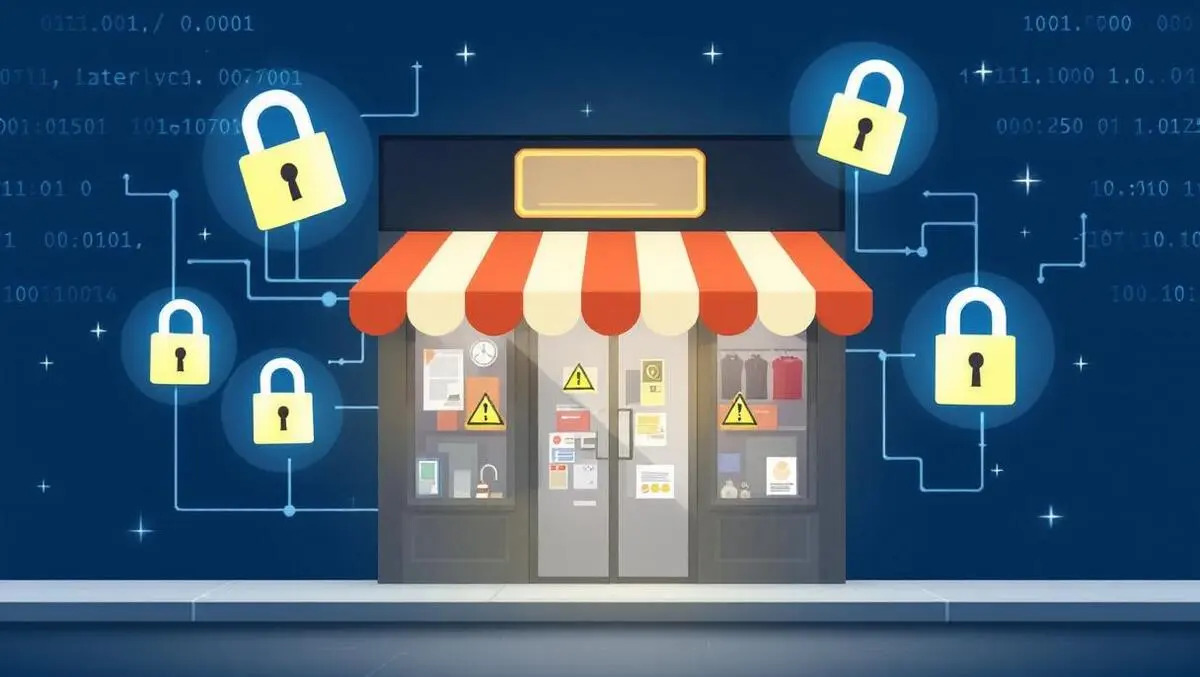
🔗 Source: NCSC statement — Retailers incident update
Retail chains across England have recently reported cyber threats and suspicious activity affecting point‑of‑sale and online systems. In response, the National Cyber Security Centre has confirmed it is working with affected organisations to mitigate impact and share best practices for response and recovery.
Key points
- The NCSC is not naming specific retailers, but has acknowledged “incidents impacting UK retailers.”
- Retail IT systems increasingly face credential abuse, point‑of‑sale malware and supply‑chain threats.
- Retail sector attacks can hit customer trust and sales during peak trading periods.
Expert take
Retail cyber resilience experts say attackers often use automated credential‑stuffing tools or exploit exposed services when staff are offline (weekends/holidays). Quick detection and multifactor access controls help reduce the risk.
🇬🇧 CYBER NEWS — UNITED KINGDOM
1) AI‑powered cyber attacks rising globally and (UK impact)

🔗 Source: CrowdStrike 2026 Global Threat Report summary — AI supercharges attacks
A major international cyber security report highlights a surge in AI‑enabled attacks, with relevance to UK organisations as part of global supply chains.
Key insights
- AI‑driven breaches rose by around 89% in 2025 compared with the previous year.
- Average time from initial intrusion to lateral movement and data access dropped to 29 minutes — significantly faster than before.
- Some advanced attacks unfold in seconds.
Implications for the UK
The UK’s tech‑enabled economy means attacks that adapt quickly using generative AI — especially in cloud‑based environments or automated toolchains — pose increased risk to both public and private sectors. Defensive teams must likewise adopt automated detection and response capabilities.
“This is an AI arms race,” said leading industry security lead referenced in the report.
2) Hackers exploiting vulnerabilities at unprecedented pace, IBM warns

🔗 Source: IBM X‑Force Threat Intelligence Index — AI and exploit acceleration
In related industry findings, IBM’s X‑Force report shows that attacks exploiting public‑facing systems grew by 44% in 2025, driven by AI‑assisted techniques and automation.
Trends identified
- Public websites, APIs and online services are primary targets.
- Ransomware groups and automated exploit services expanded attack surface.
- Low‑skill actors can leverage generative AI to carry out complex exploits.
UK relevance
These global risk trends affect UK‑based companies that host services online, from ecommerce to financial portals. Faster exploit techniques mean patching and vulnerability scanning must be frequent and robust.