
🛠️ Government Reduces Vulnerability Fix Times Across Public Services
New monitoring service trims exploit window to 8 days

The UK government has dramatically cut the time taken to resolve critical cyber vulnerabilities in public‑sector systems from nearly two months to just eight days thanks to its new specialist Vulnerability Monitoring Service. This service continuously scans around 6,000 public bodies for weaknesses and provides tailored guidance on remediation — a step seen as crucial in protecting essential infrastructure such as healthcare, taxes and benefits systems.
Government statement: “Cyber‑attacks aren’t abstract threats — they delay public services and put citizens’ data at risk. This faster fix cadence means we can intercept exploits before they’re weaponised.”
Officials also announced the launch of a government Cyber Profession to grow long‑term capability in securing digital public services.
📊 New Cyber Resilience Initiative for UK Racing Industry
Sector‑specific defence solution launched

Industry group ANSecurity has announced a new targeted cyber‑resilience programme for the UK’s racing sector, designed to bolster protection against threats in betting systems, broadcast infrastructure and customer databases.
While commercial in nature, this initiative reflects a broader push to embed cybersecurity into sectors that mix legacy operational technology with customer‑facing digital services — an intersection known to be at risk from ransomware and supply‑chain‑style intrusions.
🇬🇧 Wider UK Cyber Security Developments
📈 UK Banks Struggle with Basic Cyber Hygiene in Live Attack Tests
Regulator’s simulated attacks expose gaps

A recent round of simulated cyber penetration tests conducted within the UK financial sector found that major banks are still failing basic hygiene controls, notably in patch management and identity security. These tests — unlike the tabletop exercises common elsewhere — hit live production systems to reveal real‑world weaknesses.
Regulator report: “Our findings continue to highlight gaps in firms’ foundational cyber defences.”
Security experts say this underlines the need for financial institutions to accelerate adoption of automated patching and stronger identity safeguards to keep pace with increasingly targeted attacks.
🤖 AI Supercharges Cyber Attacks, CrowdStrike Report Finds
Threats faster and more automated
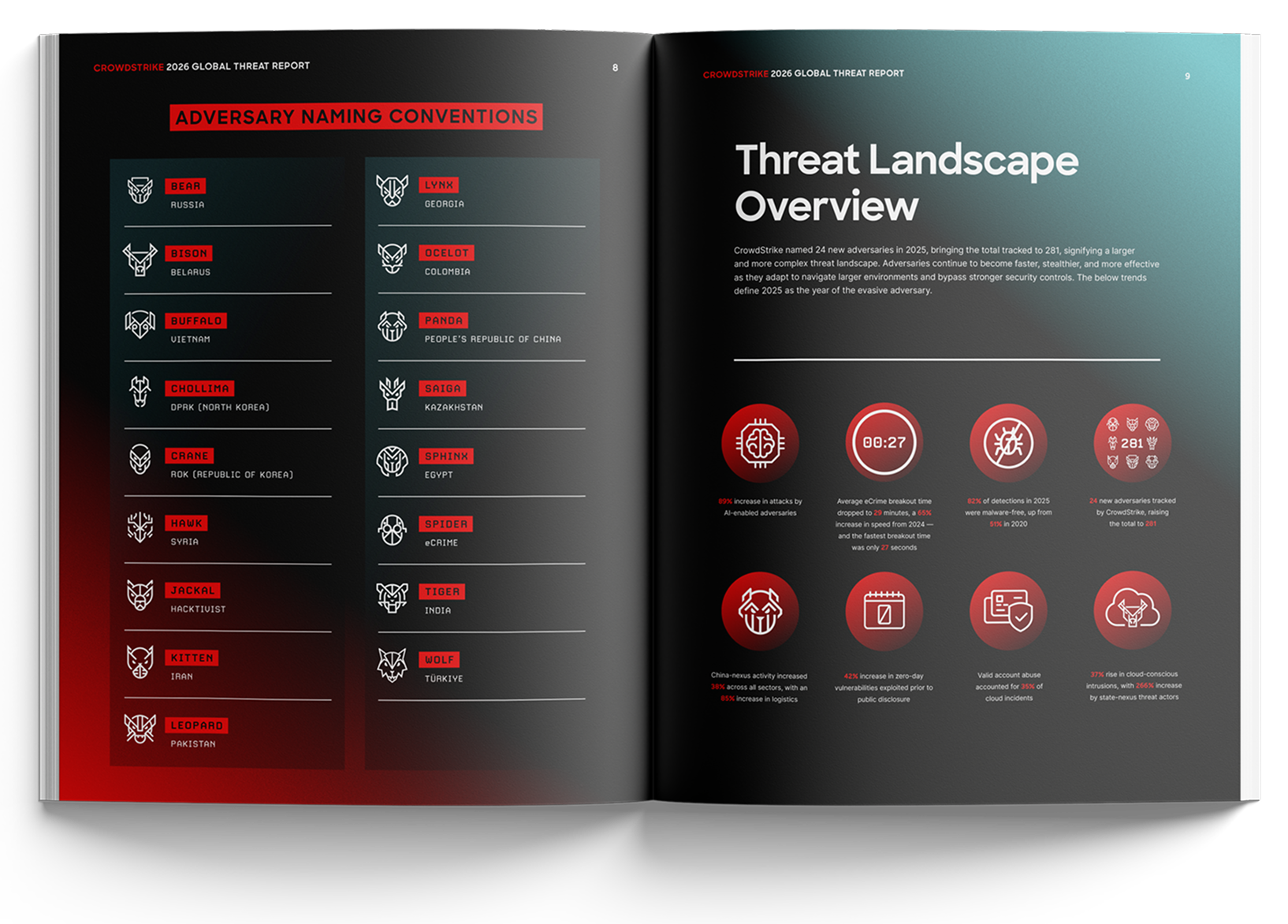
The 2026 Global Threat Report from CrowdStrike highlights a dramatic spike in AI‑powered cyberattacks, with an 89 % increase year‑on‑year. The average time from initial compromise to breakout has dropped to 29 minutes, with some intrusions unfolding in mere seconds.
Attackers are using generative AI techniques – including prompt injection – to manipulate defensive tools and sequence credential theft, while state‑linked groups are deploying AI‑augmented malware to broaden reach.
CrowdStrike analysis: The rapid pace of AI threat evolution calls for equally rapid defensive innovation to stay ahead of attackers.
🧠 Cyber Security and Resilience Bill Continues Through Parliament
Legislation aims to tighten national cyber protections

The Cyber Security and Resilience (Network and Information Systems) Bill — a major legislative overhaul to strengthen cyber protections for critical infrastructure across the UK — remains under active parliamentary consideration. It seeks to expand regulatory scope, enhance incident reporting and provide regulators with greater enforcement powers.
Security policy analysts say the bill represents a critical update to outdated standards, aiming to bring UK law in line with modern threat realities as digital services underpin economic and government functions.
🧪 Strategic Regulatory Trends in UK and Europe
Broader cyber regulation developments
There are also important wider regulatory movements — such as the European Commission’s new cybersecurity package and ongoing consultations on digital compliance — which will affect UK‑based organisations operating in or with partners in the EU.