The Home Secretary has announced she’s throwing £140 million at some shiny new tech toys, hoping they’ll magically fix what she’s calling Britain’s “broken” policing system – because apparently the solution to everything these days is more surveillance and fewer actual police on the beat.
Shabana Mahmood reckons her AI gadgets will free up six million police hours each year, which sounds brilliant until you realise that’s just code for “we’re replacing proper police work with algorithms and facial recognition cameras that’ll inevitably cock up and flag your gran as a terrorist.”
The tech rollout includes AI to analyse your Ring doorbell footage (because privacy is so last century), detect deepfakes, and handle the boring paperwork – basically turning policing into a dystopian episode of Black Mirror, but with more budget cuts.
More Big Brother, Less Bobby on the Beat
Ms Mahmood’s having a right go at forces still using “analogue methods,” presumably forgetting that sometimes the old-fashioned approach of actually knowing your local community works better than a computer algorithm trained on dodgy data.
“We will roll out state of the art tech to get more officers on the streets,” she claims, whilst simultaneously announcing plans to merge forces into massive, faceless bureaucracies. It’s a proper case of having your cake and eating it – more tech means fewer human officers needed, innit?
Advertisement

- 【Super Signal Coverage】High Speed and High range coverage to boost the wireless coverage in all WLAN networks ,Extend Wi…
- 【Three-in-one access mode】Our WiFi Booster supports three access modes: repeater mode, routing mode, and AP mode. You ca…
- 【Wide Compatibility】Compatible with any wireless network devices that comply with the aggrement of 802.11N/B/G, Router, …
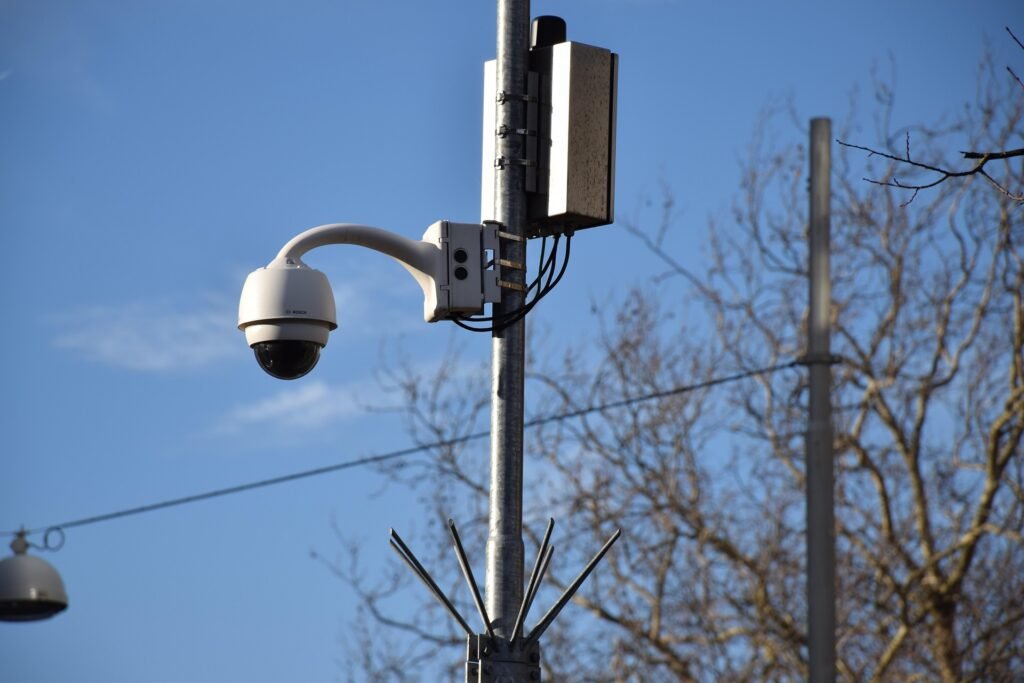
The government’s also quintupling facial recognition vans from 10 to 50, because nothing says “community policing” like having your face scanned every time you pop to the shops.
Britain’s “FBI” – Or Just Another Quango?
The pièce de résistance is this new National Police Service – being peddled as “Britain’s FBI” but likely to end up as another bloated quango with more chiefs than Indians. They’re merging everything under one roof: National Crime Agency, Counter Terror Policing, even the helicopter service. One suspects this is less about efficiency and more about empire-building.
The plan could see 43 police forces slashed to just 12 “mega-forces” – imagine trying to get a police officer to care about your stolen bike when they’re responsible for everywhere from Dover to Milton Keynes. Good luck with that local touch.
Also see: AI Needs To Learn To Sit and Stay
Police Chiefs Cannot Wait
Predictably, police bosses are falling over themselves to praise these “long overdue” changes. NPCC chairman Gavin Stephens admits there are currently “too many chiefs” – though curiously, this shake-up seems likely to create even more top-heavy bureaucracy, just at a national level.
“Twenty years ago would have been good. Today is good as well,” says Mr Stephens, with all the enthusiasm of someone who’s just been promised a bigger office and a fancier job title.
The Usual Suspects Kick Off
The Association of Police and Crime Commissioners are having a proper strop, warning about too much power being concentrated in Westminster – because local accountability is apparently so passé. They’re worried about “constitutional” issues, though one wonders if they’re more concerned about their own jobs disappearing.
Shadow Home Secretary Chris Philp’s having none of it either, pointing out that officer numbers are actually falling whilst the government plays smoke and mirrors with statistics. He’s bang on about these mega-forces being “remote from communities” – hard to have that village bobby feel when your local force covers half of southern England.
Summary
So there you have it: more cameras watching you, fewer actual police officers you can talk to, and a load of expensive tech that’ll probably break down when you need it most. It’s being sold as the biggest reform in 200 years, but it looks suspiciously like the same old story – cut costs, increase surveillance, and hope nobody notices the difference.
Still, at least the AI will be brilliant at filling out forms whilst your actual crime goes unsolved. Progress, eh?
Accelerate Your Learning
We have created Professional High Quality Downloadable PDF’s at great prices for UK Businesses provided to you from our main website. Which include various helpful Cyber related documents and real world scenarios your business might experience, showing what to do and how to protect your business. Find them here.